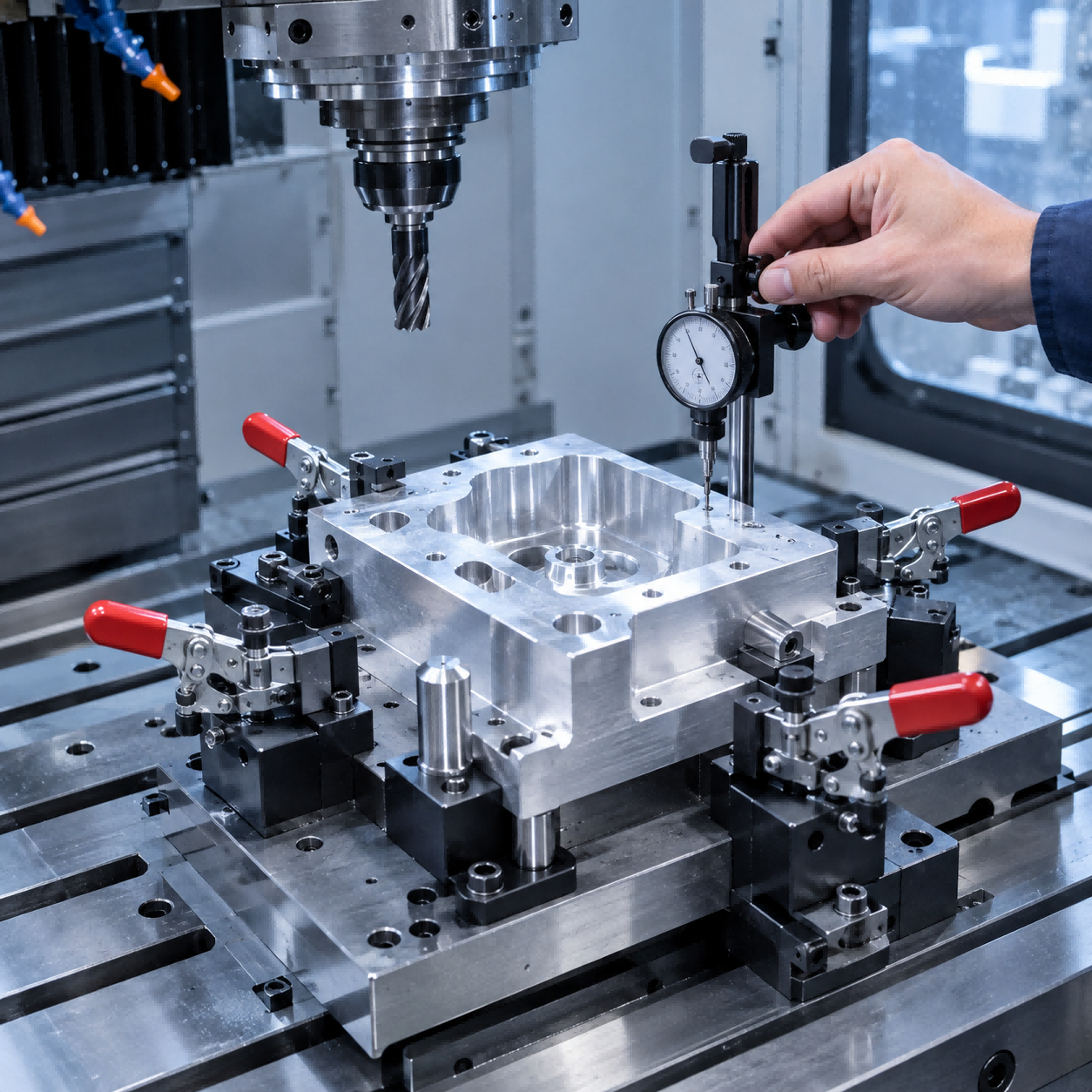
CNC Metal Material Selection Guide: Aluminum, Stainless Steel, Titanium & More
CNC Metal Material Selection Guide: Aluminum, Stainless Steel, Titanium & More
Compare the most common metals for CNC machining
. Understand strength, weight, corrosion resistance, and cost to choose the right material for your custom parts.
Selecting the right metal for your CNC machined part is one of the most important decisions in the entire manufacturing process. The material affects mechanical performance, corrosion resistance, weight, and final cost. Whether you are comparing aluminum vs stainless steel CNC options or considering titanium for high-performance applications, this guide will help you make an informed choice.
Below, we break down the most commonly used CNC machining materials for metals and explain the key factors to consider.

Common Metals for CNC Machining
Each metal has unique properties that make it suitable for different applications. Here is a detailed comparison of the most popular choices.
Aluminum 6061
- Pros: Lightweight, excellent machinability, good corrosion resistance, cost-effective
- Cons: Lower strength than steel
- Best for: Prototypes, enclosures, brackets, automotive parts, consumer electronics
Aluminum 7075
- Pros: High strength-to-weight ratio, good fatigue resistance
- Cons: More expensive, less corrosion resistant than 6061 (can be anodized)
- Best for: Aerospace components, high-stress parts, bicycle frames
Stainless Steel 304
- Pros: Excellent corrosion resistance, good formability, food-safe
- Cons: Harder to machine than aluminum, more expensive
- Best for: Food processing equipment, medical devices, marine hardware
Stainless Steel 316
- Pros: Superior corrosion resistance (especially against chlorides), high temperature tolerance
- Cons: Higher cost, tougher to machine
- Best for: Chemical processing, marine environments, pharmaceutical equipment
Brass
- Pros: Excellent machinability, good electrical conductivity, attractive gold appearance
- Cons: Softer, lower strength
- Best for: Fittings, valves, electrical connectors, decorative parts
Copper
- Pros: Best electrical and thermal conductivity, antimicrobial properties
- Cons: Very soft, difficult to machine precisely, prone to oxidation
- Best for: Electrical components, heat exchangers, busbars
Titanium
- Pros: Extremely high strength-to-weight ratio, biocompatible, corrosion resistant
- Cons: Very expensive, difficult to machine
- Best for: Aerospace, medical implants, high-performance racing parts
How to Choose the Right Metal
When selecting a metal for CNC machining, evaluate these four factors:
- Mechanical requirements – strength, hardness, fatigue resistance
- Environmental conditions – exposure to moisture, chemicals, temperature extremes
- Weight constraints – aluminum or titanium for lightweight needs
- Budget – aluminum and mild steel are most cost-effective
To simplify your decision, we have prepared a comparison table:
| Metal | Strength | Weight | Corrosion Resistance | Cost |
|---|---|---|---|---|
| Aluminum 6061 | Medium | Low | Good | Low |
| Aluminum 7075 | High | Low | Moderate | Medium |
| Stainless Steel 304 | High | High | Excellent | Medium |
| Stainless Steel 316 | High | High | Superior | High |
| Titanium | Very High | Low | Excellent | Very High |
If you're not sure which material best fits your application, tell us your requirements. Our engineers will recommend the optimal metal and explain the trade-offs.

Not Sure Which Metal to Use?
Send us your part design and application details. We'll provide a free material recommendation and quotation within 24 hours.
CAM Programming for CNC Machining: How Toolpaths Are Created
Engineering Drawing & DFM Analysis: The First Step to Accurate CNC Parts
Related Article