
MATERIALSCN
CNC Machining parts can be crafted from a diverse range of materials, spanning metals, plastics, composites, and more.
Below is a detailed breakdown of the primary materials used, along with their properties and typical applications:
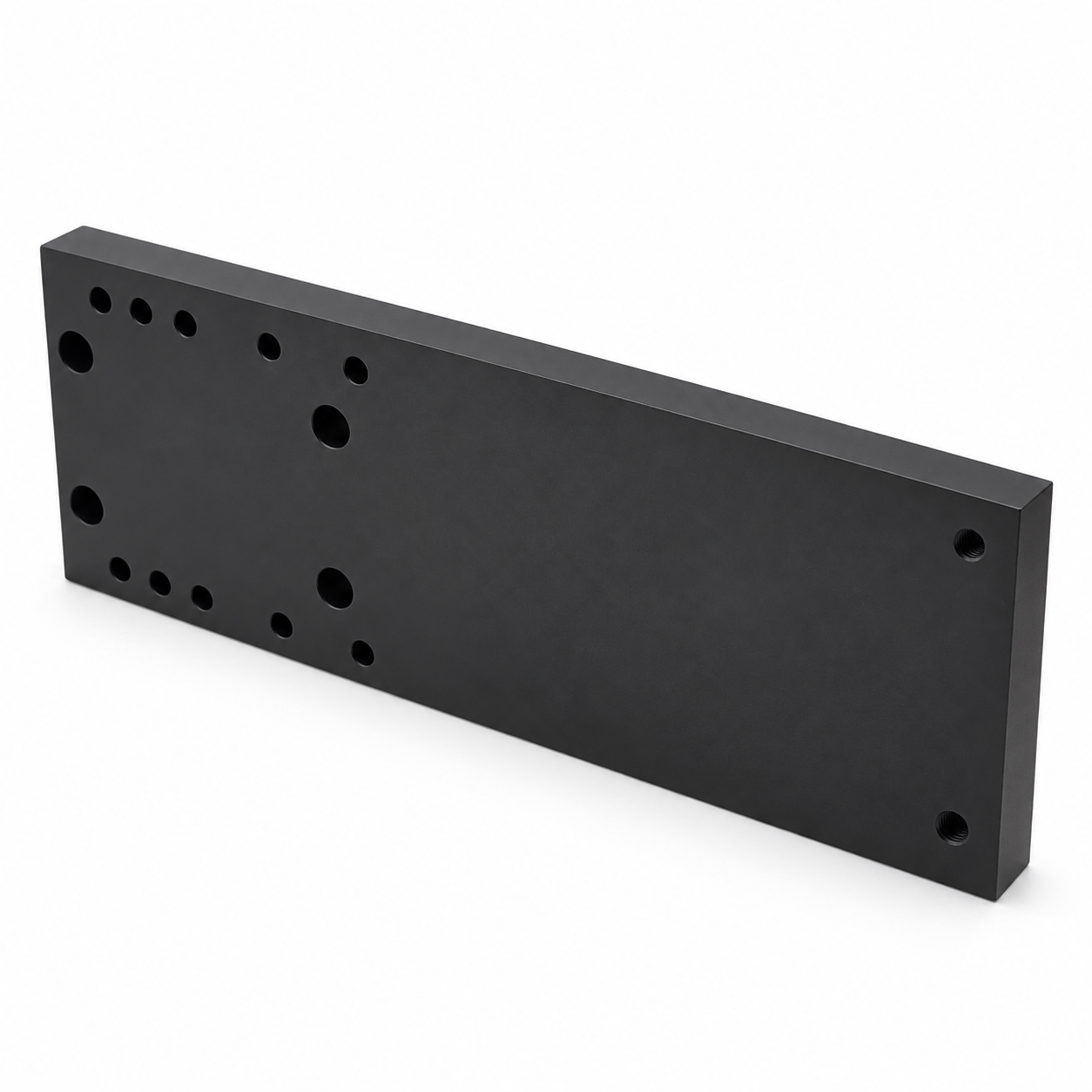
Aluminum Alloys
Properties: Lightweight, high strength-to-weight ratio, excellent thermal/electrical conductivity, corrosion-resistant.
Common Types: 6061, 6063, 7075, 2024
Machinability: High; low cutting forces, minimal work-hardening.
Applications: Aerospace components (wing brackets), automotive parts (engine blocks), consumer electronics (phone casings), robotics.
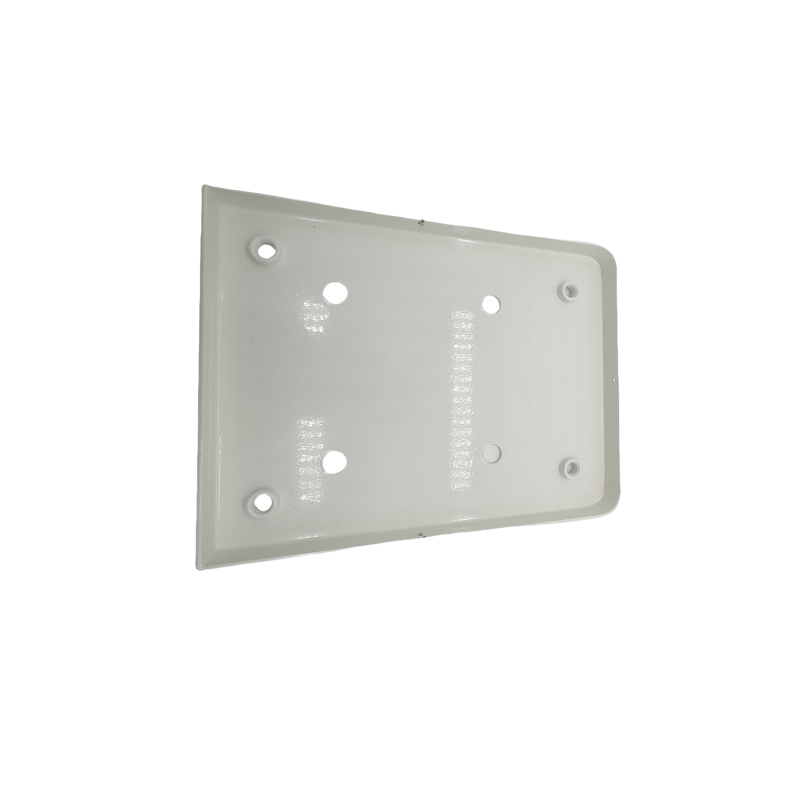

Carbon Steel
Properties: High tensile strength, cost-effective, good ductility.
Carbon Steel: 1018, 1045
Machinability: Moderate; prone to work-hardening.
Applications: Shafts, gears, structural parts.
Stainless Steel
Properties: Corrosion-resistant, high temperature tolerance, good strength.
Stainless Steel: 304, 316, 410, 17-4 PH
Machinability: Lower than aluminum; requires high-speed steel (HSS) or carbide tools.
Applications: Medical implants, food processing equipment, marine components.
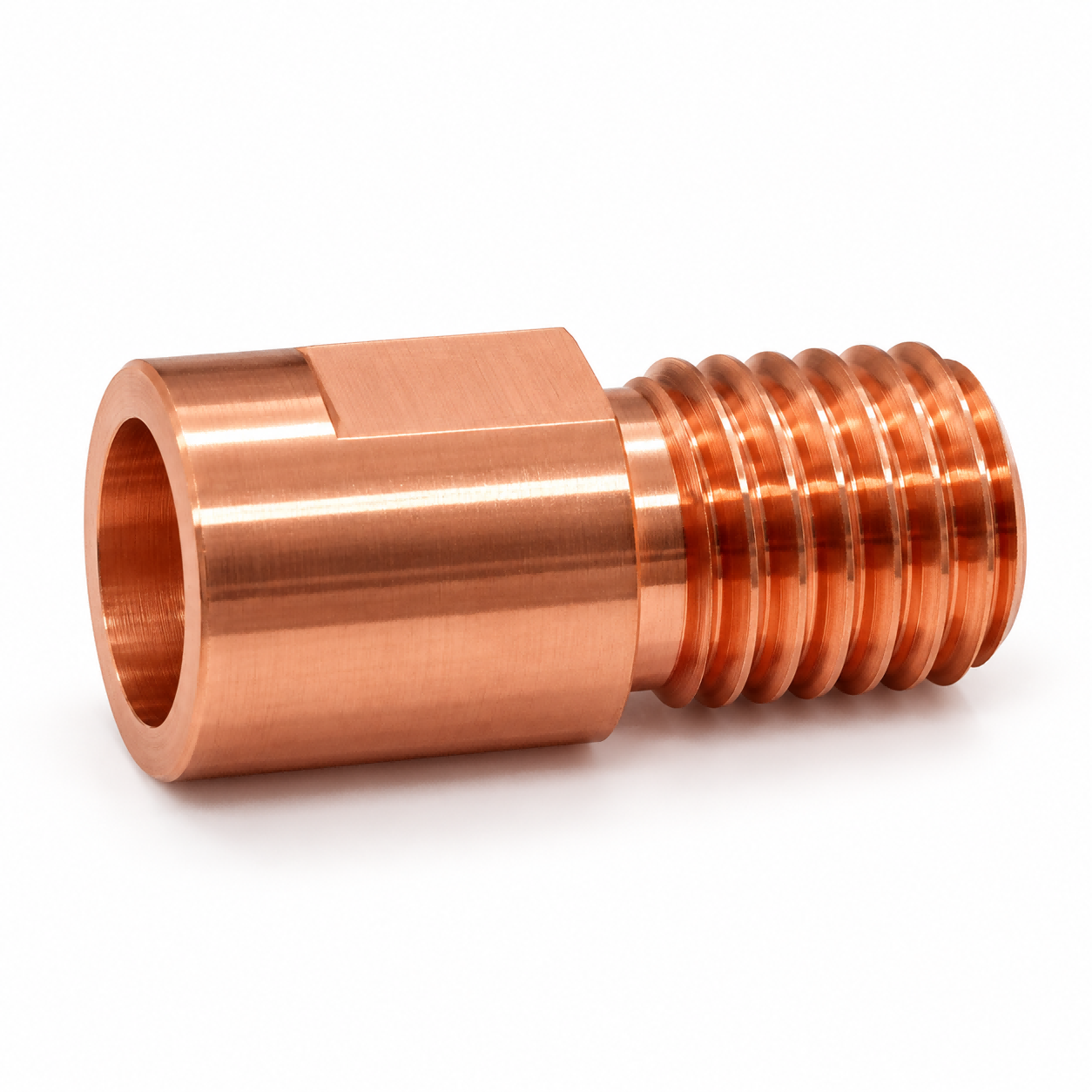
Copper & Brass
Properties: Excellent electrical/thermal conductivity, good corrosion resistance (brass), machinable with high surface finish.
Machinability: High; brass is free-cutting (leaded alloys like C360).
Applications: Electrical connectors, heat sinks, valves, decorative parts.
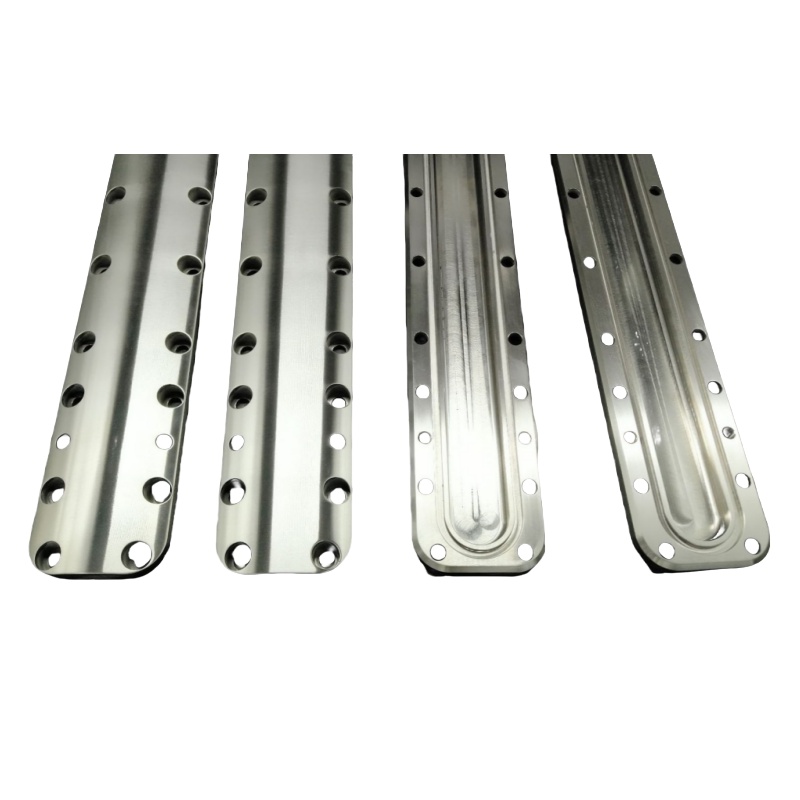
Titanium Alloys
Properties: Extremely high strength-to-weight ratio, corrosion-resistant, biocompatible.
Common Types: Ti-6Al-4V (Grade 5), Ti-6Al-7Nb
Machinability: Low; high thermal conductivity causes tool wear, requires specialized coolant and slow speeds.
Applications: Aerospace (turbine blades), medical implants (knee/hip replacements), marine engineering.

Polyether Ether Ketone (PEEK)
Phenolic: Heat-resistant, low cost; suitable for electrical insulators, brake components.
PEEK: High-temperature resistance, chemical inertness; medical implants, aerospace parts.
PEEK bridges the gap between plastics and metals, offering metallic strength with polymer benefits (lightweight, corrosion resistance, and design flexibility). Its dominance in critical sectors like healthcare and aerospace underscores its irreplaceability for applications demanding reliability under extreme conditions.
For CNC machining projects, PEEK is ideal when:
Tolerances must remain stable at 200°C+.
Chemical exposure (e.g., sterilization agents) is frequent.
Weight reduction is critical (e.g., aerospace components).
Biocompatibility is non-negotiable (e.g., medical devices).

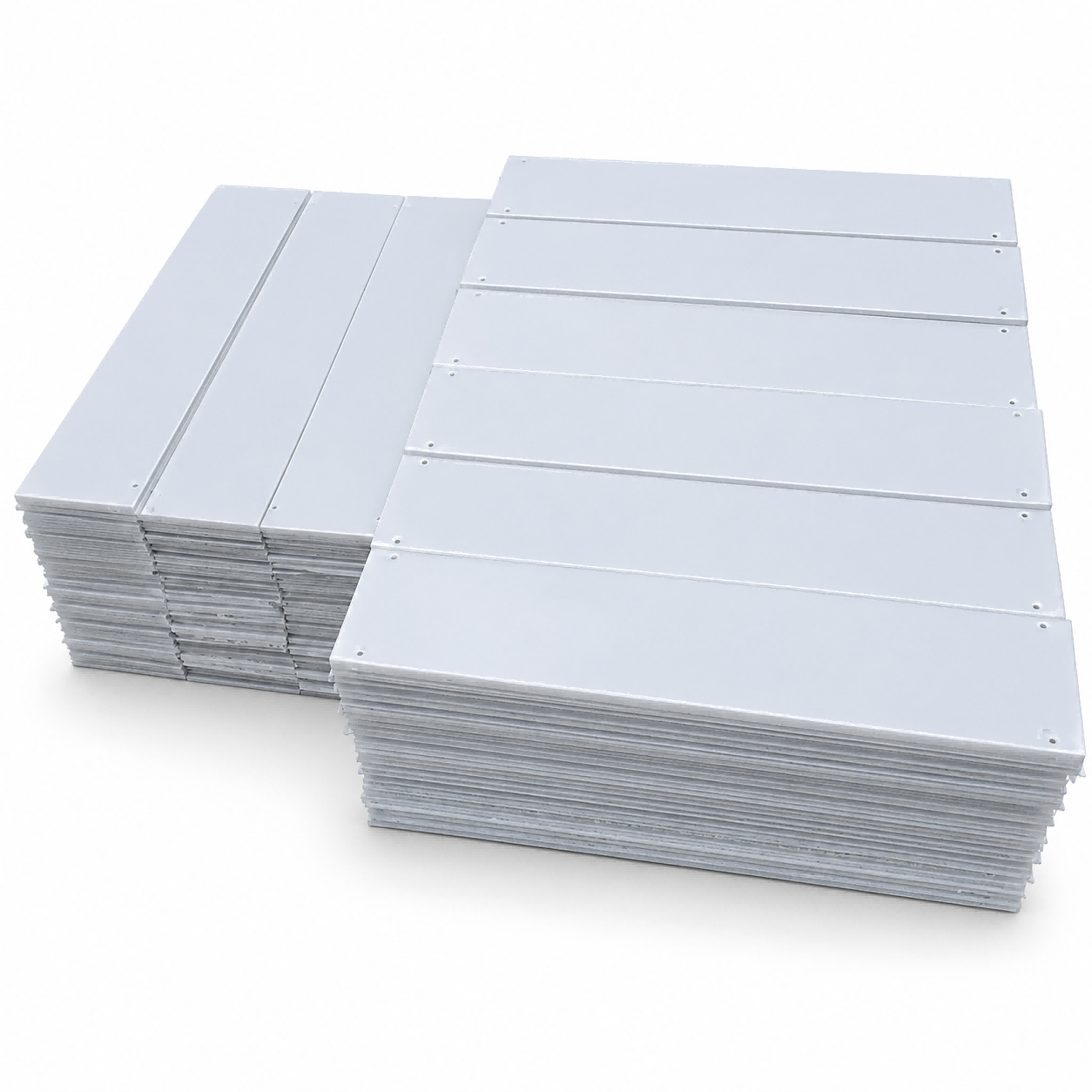
G-10
Properties: G-10 balances mechanical robustness, electrical insulation, and chemical resistance, making it a staple in industries where FR-4 or metals fall short. Its cost-effectiveness and machinability suit both prototyping and high-volume production.
Conclusion
G-10 balances mechanical robustness, electrical insulation, and chemical resistance, making it a staple in industries where FR-4 or metals fall short. Its cost-effectiveness and machinability suit both prototyping and high-volume production.
For CNC projects, G-10 is ideal when:
Parts require rigidity and impact resistance (e.g., tool fixtures).
Electrical insulation is critical (e.g., transformer bases).
Corrosion resistance in wet or chemical environments is needed (e.g., marine hardware).
Key Characteristics of G-10 Material
1. Exceptional Mechanical Robustness
High Strength-to-Weight Ratio: Tensile strength up to 172 MPa rivals aluminum but with 40% less density, making it ideal for lightweight yet durable components (e.g., aircraft brackets, knife handles).
Impact & Fatigue Resistance: Withstands repeated loading without cracking, suitable for CNC machine fixtures and marine hardware subjected to vibration.
Stiffness: Flexural modulus of ~4.5–5.5 GPa minimizes deflection in structural parts like wind turbine insulators.
2. Superior Electrical Insulation
High Dielectric Strength: 14–16 kV/mm prevents electrical breakdown in high-voltage applications (transformers, PCB substrates).
Low Electrical Conductivity: Volume resistivity >10¹⁴ Ω·cm ensures minimal current leakage in semiconductor equipment and EV battery systems.
Arc Resistance: Resists electrical arcing for 180–200 seconds, critical for switchgear and circuit breakers.
3. Outstanding Environmental Stability
Chemical Inertness: Immune to saltwater, acids, hydrocarbons (gasoline), and most solvents, making it suitable for marine (ROV frames) and chemical processing (tank liners).
Low Moisture Absorption: <0.15% water uptake (24 hr) outperforms FR-4 in humid environments (e.g., underwater electronics).
UV & Radiation Resistance: Maintains properties after prolonged sunlight or radiation exposure (satellite components, solar panel mounts).
4. Thermal Performance
Moderate Heat Resistance: Continuous service at 130–150°C (266–302°F), suitable for EV motor brackets and transformer insulators.
Low Thermal Expansion: CTE of 12–16 ppm/°C matches metals, reducing thermal stress in aerospace and automotive assemblies.
Heat Deflection Stability: HDT of 140–150°C ensures rigidity under thermal loading (e.g., industrial oven components).
5. Machinability & Fabrication Flexibility
Easy Processing: Cuts, drills, and mills with standard tools (minimal burrs), enabling precise parts for medical instruments and electronics.
Bonding Compatibility: Adheres well to epoxies, metals, and composites, supporting layered structures (e.g., PCB laminates).
Customizable Appearance: Available in colors (typically green) with smooth, non-porous surfaces for aesthetic or functional needs.
6. Cost-Effective High-Performance Solution
Price Positioning: Priced 20–30% higher than FR-4 but offers 30–50% better mechanical properties, justifying use in reliability-critical sectors (aerospace, defense).
Longevity: Reduces maintenance costs in harsh environments (e.g., marine, chemical plants) due to corrosion resistance.
7. Industry-Specific Differentiators
Non-Magnetic & Radiolucent: Safe for MRI equipment and X-ray compatible (medical surgical tools, aerospace radar housings).
Autoclave Suitability: Withstands 134°C sterilization cycles, meeting medical device standards.
Non-Conductive & Non-Sparking: Ideal for explosive environments (oil refineries, mining equipment).
8. Limitations to Note
Limited Fire Resistance: Requires flame-retardant additives for fire-prone applications (e.g., automotive interiors).
Cold Brittleness: Impact strength decreases below -40°C, unsuitable for cryogenic use.
Not Biocompatible: Not approved for implantable medical devices (restricted to external tools).
UHMWPE (Ultra-High Molecular Weight Polyethylene)
Posted on 2026-09-21
Properties: Exceptional wear resistance, low friction, high impact strength, chemically inert, and self-lubricating.
Material Overview: UHMWPE is a semi-crystalline engineering thermoplastic characterized by extremely long molecular chains, with a viscosity-average molecular weight exceeding 1.0 × 10⁶ g/mol. The ultra-high molecular weight imparts exceptional chain entanglement in the amorphous phase, resulting in mechanical properties that significantly exceed those of standard HDPE and most other engineering plastics.
Key Properties: • Molecular Weight: 3–6 million g/mol (ASTM D4020) • Density: 0.925–0.940 g/cm³ (ISO 1183) • Tensile Strength: ≥ 40 MPa (ASTM D638) • Izod Impact Strength: 70–220 kJ/m² (ASTM D256, double 15° V-notched) • Coefficient of Friction: 0.08–0.11 (against steel, dry sliding) • Abrasion Resistance: ~7× carbon steel (sand slurry test) • Working Temperature: -200°C to +90°C (continuous); up to +105°C short-term (DIN 53505) • Melting Point: 138–142°C (DSC) • Chemical Resistance: Excellent against acids, alkalis, organic solvents (except strong oxidizing agents)
Machining Capability: UHMWPE can be CNC turned, milled, drilled, and sawn using standard woodworking or metalworking tooling. Due to its low thermal conductivity and viscoelastic behavior, high spindle speeds and sharp tooling are recommended to achieve clean shearing and minimize surface smearing. Achievable tolerance: ±0.05 mm. Available forms: extruded rod, compression-molded sheet, skived film.
Typical Applications: • Food Processing: Conveyor guide rails, cutting boards, star wheels, wear strips (FDA 21 CFR § 177.1520 and EU 10/2011 compliant grades available) • Medical: Orthopedic bearing components, instrument handles (ASTM F648 / ISO 5834-2 compliant grades) • Chemical & Industrial: Wear pads, liners, chain guides, bushings, sprockets • Battery Manufacturing: Porous separators for Li-ion cells via thermally induced phase separation • Material Handling: Chute liners, truck bed liners, marine fenders
Compliance & Standards: • ASTM F648 – UHMWPE powder and fabricated forms for surgical implants • ISO 5834-2 – UHMWPE for surgical implants — molded forms • FDA 21 CFR § 177.1520 – Olefin polymers for food contact • EU 10/2011 – Plastic materials for food contact • 3-A Sanitary – Dairy equipment hygiene