Why “Understanding the Impact of Material Machinability” Matters for CNC Manufacturing
Understanding the Impact of Material Machinability

In modern manufacturing, the choice of material plays a decisive role in determining production quality, cost efficiency, and machining strategy. For companies specializing in high-precision components—such as Shenzhen Guangchuang Zhitong Technology Co., Ltd.—“Understanding the Impact of Material Machinability” is essential for optimizing CNC machining performance across metals, alloys, and engineering plastics. As industries move toward lightweighting, smarter structural parts, and tighter tolerances, machinability becomes even more important.
For more technical resources, visit: www.opicreate.com.
1. What Is Material Machinability?

Material machinability refers to how easily a material can be cut, shaped, or finished using machining methods such as CNC milling, turning, drilling, or grinding. It typically evaluates:
- Cutting resistance
- Tool wear rate
- Heat generation
- Surface finish quality
- Achievable tolerance stability
- Required cutting forces
2. Why “Understanding the Impact of Material Machinability” Matters for CNC Manufacturing
2.1 It Directly Affects Production Efficiency
Different materials behave differently under cutting forces. For example:
- Aluminum 6061 / 7075 → excellent machinability → fast production
- Titanium → low thermal conductivity → high heat → requires controlled cutting
- Copper → sticky material → adheres to tools → needs coated tooling
- PEEK → long chips → requires optimized chip breaking
Manufacturers like Shenzhen Guangchuang Zhitong Technology Co., Ltd. evaluate machinability early to ensure efficiency.
2.2 It Influences Tool Selection and Lifespan
Poor machinability leads to:
- Increased tool wear
- More frequent tool changes
- Higher replacement cost
- Inconsistent machining performance
2.3 It Determines Surface Finish Quality

Materials with good machinability achieve smooth surfaces with minimal post-processing, which is important for:
- Electronics
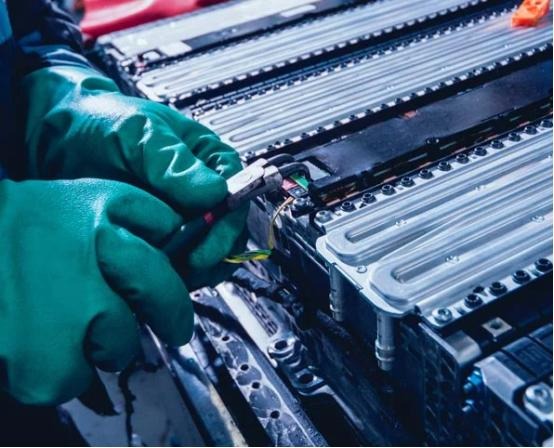
- EV battery parts
- Robotics components
3. How Material Machinability Influences Cost, Design, and Quality
3.1 Cost and Cycle Time
Machinability affects cutting speed, feed rate, tool life, scrap rate, and total cycle time. Better machinability = lower cost per part.
3.2 Component Design Constraints

Some materials introduce engineering limitations such as:
- Thin walls breaking in brittle materials
- Heat-sensitive plastics warping
- Tool wear in hard alloys
3.3 Final Product Performance
Machinability impacts:
- Accuracy
- Strength
- Thermal performance
- Dimensional stability
Conclusion

In CNC machining, “Understanding the Impact of Material Machinability” is crucial for high precision, cost control, and long-term reliability.
Shenzhen Guangchuang Zhitong Technology Co., Ltd. applies deep knowledge of machinability to deliver high-performance CNC machining solutions for global industries.
Visit: www.opicreate.com
Precision CNC Aluminum Machining
What Are the Advantages of 3D Printed Parts in Terms of Low Material Cost and High Usage Rate?
Related Article