Cooling Plates for EV Batteries: Why CNC Milling of Complex Flow Channels Demands Extreme Surface Flatness
Cooling Plates for EV Batteries: Why CNC Milling of Complex Flow Channels Demands Extreme Surface Flatness
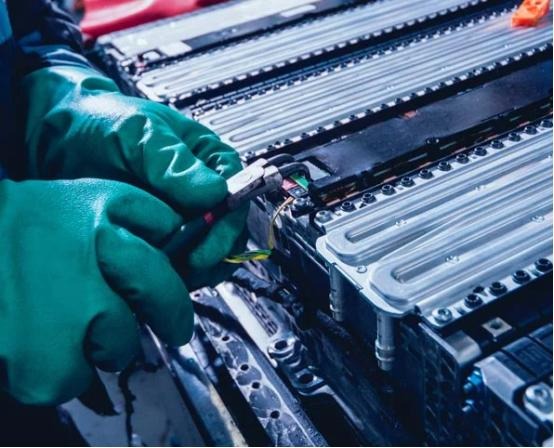
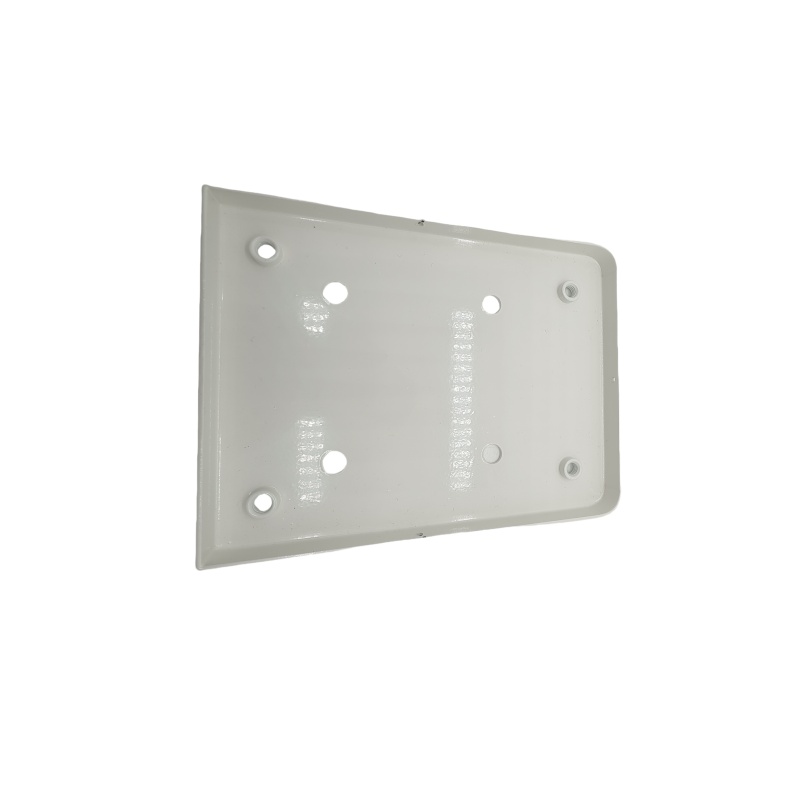
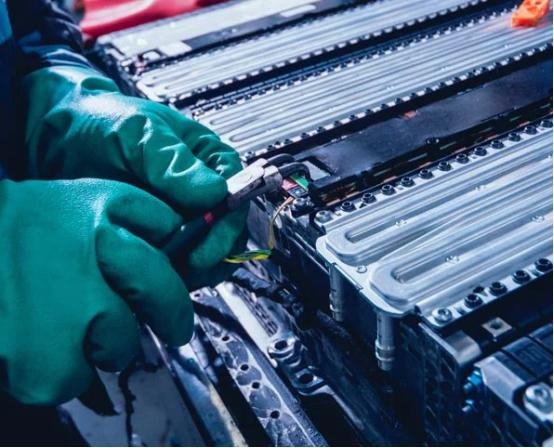
Inside every liquid-cooled electric vehicle (EV) battery pack lies a critical thermal management component – the cooling plate (liquid cold plate). These precision parts feature complex internal flow channels that circulate coolant to absorb heat during fast charging and driving. Manufacturing such plates requires ultra-precision CNC machining, exceptionally tight surface flatness, and zero-defect leak tightness. As a professional CNC machining services manufacturer, Opicreate delivers high-quality cooling plates for global energy storage and EV clients.

1. Why Cooling Plates Depend on High-Speed CNC Milling
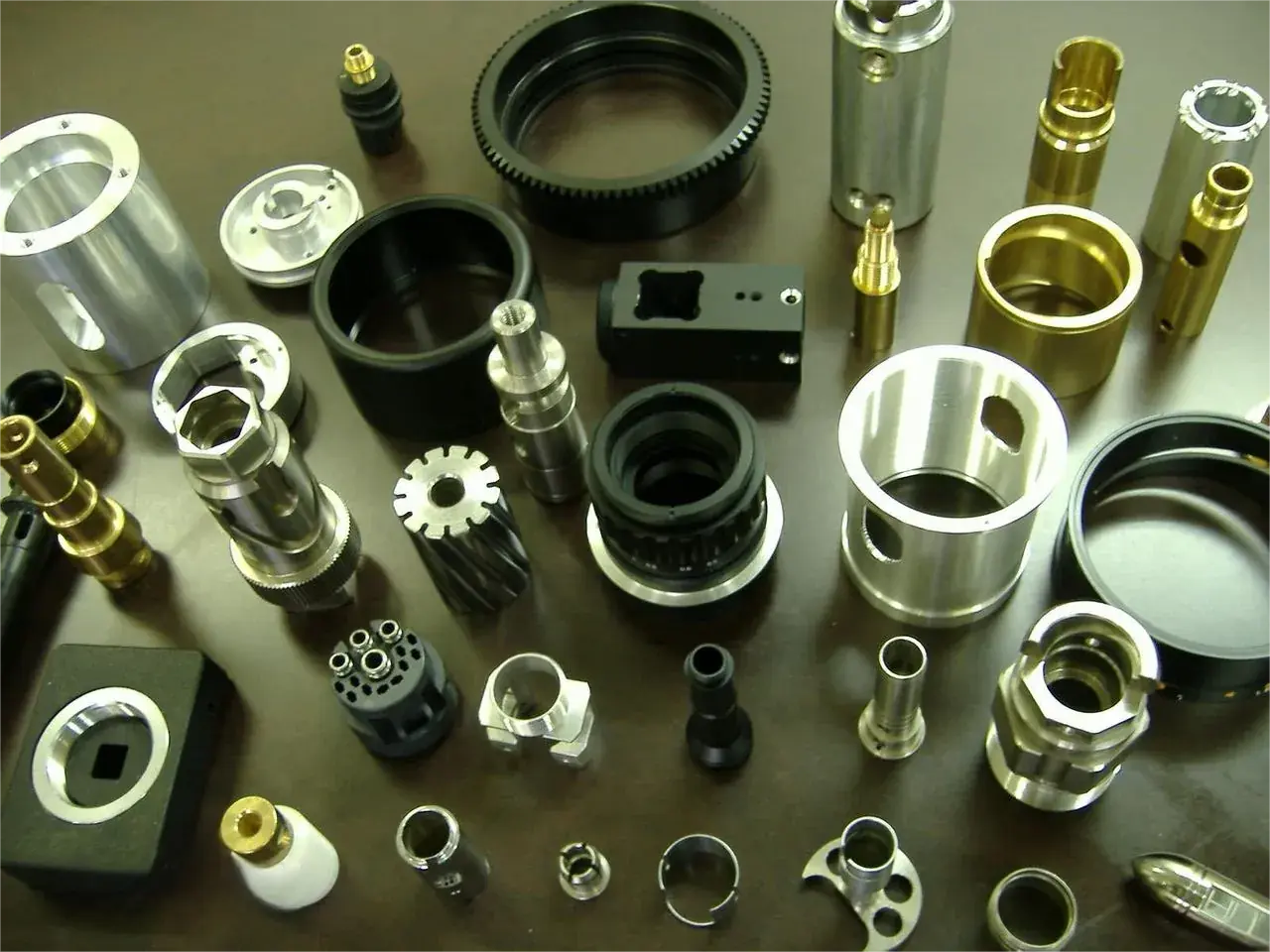
Cooling plates are typically made from aluminum 6061/6063 for excellent thermal conductivity (120–180 W/m·K). However, creating serpentine, parallel, or micro-channel geometries cannot be done by stamping or extrusion alone. CNC milling machines – especially 5‑axis CNC machining centers – directly cut fluid channels into solid metal plates with:
- Variable channel depths & widths for optimized flow distribution.
- Surface flatness ≤0.02 mm over 300 mm (critical for vacuum brazing).
- Surface roughness Ra 0.8–1.6 μm – ideal for brazing filler adhesion.
- Helium leak tightness < 1×10⁻⁹ mbar·L/s to prevent coolant short circuits.
Only precision CNC machining consistently meets these requirements. That is why leading manufacturers, including Shenzhen Guangchuang Zhitong Technology Co., Ltd. (Opicreate), invest in high-speed milling and automated inspection systems.
2. Global Adoption of Cooling Plates by Region
The worldwide cooling plate market is expanding rapidly, driven by EV sales, ultra‑fast charging (800V/4C–5C), and stricter battery safety norms.
- Asia‑Pacific (China, Japan, Korea) – Accounts for >60% of global demand. China’s NEV sales reached 12.9 million units in 2024 (+35.7% YoY); its cooling plate market alone is projected to hit $1.4 billion by 2030 (CAGR 47.8%). Japan and Korea focus on high‑precision designs for premium EVs.
- Europe (Germany, France) – Strong push for lightweight, recyclable cooling plates. Germany’s market is growing at ~30.8% CAGR, with OEMs like VW, Mercedes, and BMW localizing CNC machining capacity.
- North America (USA, Mexico) – The U.S. market was valued at $219 million in 2024, growing 7.5–13.5% annually. The Inflation Reduction Act encourages domestic sourcing, boosting regional CNC machining shops.
3. Import/Export Dynamics: Who Machines Cooling Plates?
Global trade of cooling plates is closely tied to CNC machine tools and finished machined components.
| Country/Region | Key Export/Import Role | Recent Data (2024–2025) |
|---|---|---|
| China | Largest exporter of CNC‑machined cooling plates & aluminum heat sinks | Aluminum heat sink exports ↑17% in 2024; machine tool exports $96.8B (+17.9% YoY). Facing 8.5% U.S. tariffs → transshipment via Vietnam. |
| Germany & Japan | Suppliers of high‑end 5‑axis CNC machining centers, vacuum brazing furnaces | DMG MORI, Mazak, and Okuma dominate premium equipment. A medium cooling plate line requires >$10M CAPEX, with most CNC machines imported from these nations. |
| Vietnam | Emerging CNC machining hub for cooling plates | Vietnamese shops (e.g., VINACNC) apply multi‑axis milling to achieve 0.02 mm flatness. Expected to double market share by 2028 as supply chains diversify. |
4. Future Industry Adoption & Technology Outlook
According to market research (Market Glass, BIS Research), the global cooling plate market will grow from $803 million in 2024 to $5.1 billion by 2030 (CAGR 36.3%). Liquid cooling penetration in EV packs is set to rise from ~65% today to over 85% by 2030. Key trends driving demand:
- Ultra‑fast charging (800V, 4C–5C) increases thermal load by 30‑40%, requiring more efficient milled micro‑channels (widths <0.5 mm).
- Cell‑to‑pack (CTP) & cell‑to‑chassis (CTC) designs integrate cooling plates into battery structures, demanding even tighter CNC machining tolerances.
- Smart thermal management with embedded sensors and AI‑controlled flow will become standard.
- Sustainable materials – recyclable aluminum alloys and eco‑friendly coolants (propylene glycol) are mandated in Europe.
Despite the high growth, precision CNC machining costs remain a barrier. However, experienced manufacturers like Opicreate overcome this through automated 5‑axis machining and lean production.
5. Opicreate: Your Partner for CNC Machining of Cooling Plates
Based in Shenzhen’s manufacturing heartland, Opicreate (Shenzhen Guangchuang Zhitong Technology Co., Ltd.) is a leading CNC machining services manufacturer. We specialize in high‑speed milling of complex cooling plates for EV battery packs, energy storage systems, and power electronics. Our capabilities include:
- 5‑axis CNC machining of serpentine, parallel, and custom micro‑channel designs.
- Surface flatness controlled to ≤0.02 mm (verified by laser interferometry).
- CNC milling of aluminum, copper, and advanced alloys with Ra 0.8–1.6 μm finish.
- 100% helium leak testing to aerospace standards (<1×10⁻⁹ mbar·L/s).
- From prototypes (1–10 pcs) to high volume (10,000+ pcs/month).
Whether you need a quick-turn prototype or mass production, our in-house CNC machining center operates 24/7 with German/Japanese machine tools and automated CMM inspection. We ensure every cooling plate meets the strict flatness and leak-tightness requirements demanded by global EV OEMs.
Conclusion
Cooling plates are far from simple metal sheets – they are precision CNC‑machined enablers of battery safety, fast charging, and long cycle life. With global demand exploding at >35% CAGR and supply chains evolving across China, Germany, Japan, and Vietnam, partnering with an experienced CNC machining service manufacturer is critical. Opicreate brings technical expertise, advanced 5‑axis milling, and a customer-first approach to every cooling plate project.
👉 Visit www.opicreate.com today for technical datasheets, case studies, and to request your CNC machining quote.
CNC Machining for Battery Enclosures: Global Data & Future Trends
Precision CNC Machining for Solar Inverter Heat Sinks: The Backbone of Efficient Power Conversion
Related Article